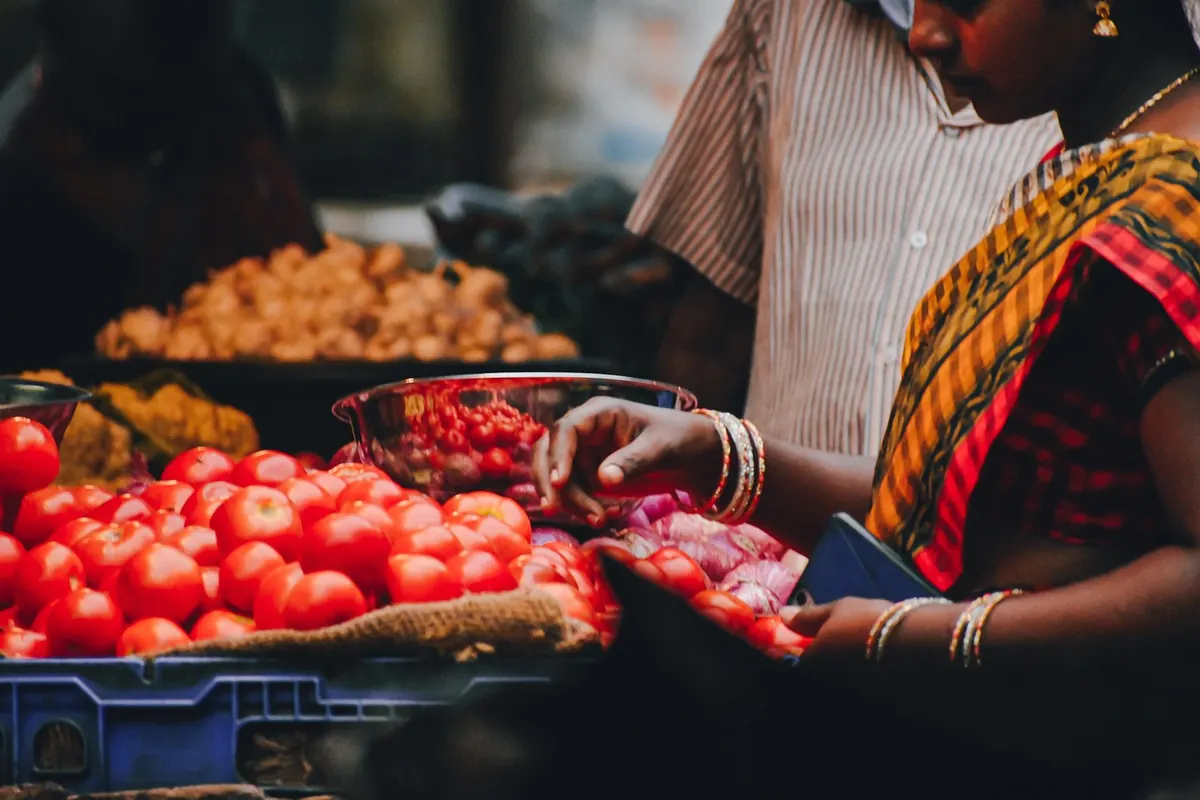
The first cars pull in a little before eight, while the growers are still folding down the sides of their tents and the coffee cart is running its first pot. By ten, the tomato table is three deep and someone is circling the lot looking for a space that isn't there. Knowing when to show up — and what is actually worth buying that week — turns a pleasant errand into a good morning instead of a forty-minute shuffle. Here is how the season runs, month by month, plus the practical details: hours, parking, and which stalls to visit first.
The outdoor market runs Saturday mornings from the first weekend in May through the last Saturday in October, opening at 8 a.m. and closing at 1 p.m. A smaller Wednesday evening market, mostly produce, bread, and dinner-ready food, runs from 4 to 7 p.m. from June through September.
Rain rarely cancels a market day; a hard storm will, and organizers usually post a notice the night before. Bring cash in small bills even if you mostly pay by card — the smallest stalls and the flower growers often don't take cards, and a five is faster than a card reader in a line. In July and August, bring a cooler bag if you aren't heading straight home with eggs, dairy, or meat.
Local harvest dates move with the weather. A cold, wet spring can push everything back a week or two, and a hot July can bring tomatoes in early. Treat this as a map rather than a schedule, and ask the person at the table what is peaking — they know better than any calendar.
Blueberries and raspberries come in first, followed by sweet corn in early July, then cucumbers, zucchini, green beans, beets, and new potatoes. Cherry tomatoes show up before slicers; heirlooms land somewhere in August. By the middle of summer the tables are crowded with peppers, eggplant, melons, blackberries, and peaches, and the lettuce quietly disappears until fall. This is the stretch when shopping early matters most — berries and corn both suffer in the heat.
Apples and pears take over, along with cider, pumpkins, and winter squash. Sweet potatoes, leeks, carrots, potatoes, and storage onions round out the fall tables, and kale, chard, and Brussels sprouts hold on until the end. Late corn usually finishes in early September, and the last tomatoes hang on into October if the nights stay mild. By the final market days, the selection leans heavily toward roots and greens — good for soups, less exciting for a salad.
If you have a list and a recipe in mind, come at 8:15. If you just want to browse with a coffee, come after noon.
The downtown lot behind the market fills by nine. The church lot two blocks north opens at eight and usually has space until around ten. Street parking along the main drag is often time-limited, and a few blocks are permit-only on Saturdays, so read the signs before you walk away. Bike racks sit near the main entrance, and the racks are rarely full.
One practical trick: if the main entrance is jammed, walk around to the north gate off the side street. You'll come in near the flowers and the bakery rather than the produce, which is fine — flowers and bread are the two things you want to buy before they're picked over anyway.
The bread baker sells out by ten on most Saturdays, which means the bread run should be your first stop, not your last. The mushroom grower brings a rotating selection and will explain what each type is good for if you ask. The flower grower sells by the bunch and does best early, before the buckets have sat in the sun.
Look for the orchard stand with apples by the bag and cider by the jug in fall, a dairy table with cheese and yogurt, and the coffee cart near the south end that anchors the whole morning for a lot of regulars. On the prepared-food side, breakfast sandwiches and dumplings are the usual quick options, and the line at either is a decent signal about quality.
One habit that pays off: walk the whole market once before buying anything. Two tents down, the tomatoes may be riper, the greens fresher, or the same bunch of basil a better size. It costs five minutes and it's the difference between a good haul and a great one.
Confirm the hours and check for a weather cancellation, since a storm notice is the one thing that will change your plans. Pack a tote, a cooler bag in summer, and small bills. Go early if you have a recipe in mind and late if you don't.
Then leave a little room in the plan. The best part of a market morning is usually the thing you didn't come for — a bunch of dahlias, a jar of honey, a conversation with the person who grew your dinner. That's the reason to keep going back, week after week, until the last Saturday in October.
Photo: udayteja7770 / Pixabay

A practical pre-winter checklist for Ridge homeowners: gutters and ice dams, pipe protection, heating tune-ups, snow...

A practical comparison of Ridge Restaurant Week menus, price tiers, reservation odds, and dietary options, plus a...

Planning a Ridge block party? Here’s how to handle permits, road closures, insurance, and a simple timeline that...


Local news and voices from the ridge.
