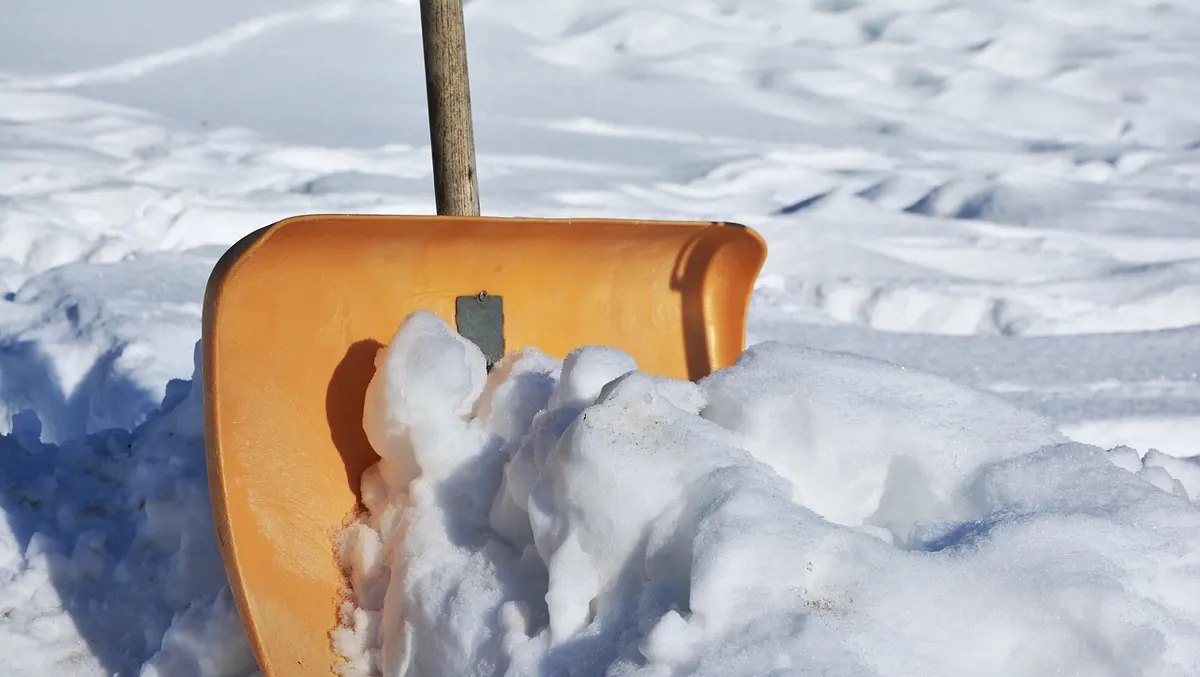
The first snow in Ridge has a habit of arriving overnight, on a weekday, right after a week that still felt like October. You wake to a white yard, a cold house, and a driveway you meant to deal with in November. Most winter trouble at home is predictable, though: clogged gutters, a frozen pipe, a furnace that quits on the coldest night of the year, and nobody can find the good shovel. None of it is dramatic if you get ahead of it. Here is a checklist to work through before the first storm.
Water does more damage to a house in winter than cold does. Clean the gutters after the last leaves come down, not before — a gutter packed with debris backs water up under the shingles at the eaves, where it freezes and starts an ice dam. While the ladder is out and someone is holding it steady, check a few things:
Ice dams form when warm air escaping into the attic melts snow on the upper roof, and that water refreezes at the cold eaves. Sealing air leaks and adding insulation is the long-term fix. In the meantime, a roof rake used from the ground will pull the first couple of feet of snow off the lower edge. Stay off the roof itself — a fall on ice is not worth any amount of snow removal.
Start outside. Disconnect garden hoses, shut off the valve feeding outdoor spigots, then open the spigots to drain what is left in the line. A hose left connected can trap water in the pipe behind it and split it.
Inside, walk the house and find the pipes that sit against exterior walls, in a crawlspace, in the garage, or under a sink on an outside wall. Those are the ones that freeze. Then:
If a pipe does freeze, warm it with a hair dryer, a heat lamp, or towels soaked in hot water — never an open flame. If it bursts, shut off the main first, then call a licensed plumber. Anything beyond insulating and thawing is a job for a professional.
Change the furnace filter now, and keep changing it through the season. Book a service appointment early. Once a cold snap hits, every heating technician in the area is booked for days, and you will be the one waiting.
If you burn wood, have the chimney inspected and swept before you light the first fire — creosote buildup is the reason chimney fires happen. Keep anything flammable well clear of the stove.
A few safety habits matter more than any gadget. Space heaters need three feet of clearance and should plug directly into a wall outlet, never into an extension cord. Test the batteries in your carbon monoxide detectors, and make sure you have one on every level and near the bedrooms. If you run a generator, it stays outside, well away from windows and vents — never in the garage, even with the door open.
Dig out your winter gear on a mild afternoon and test it. A snow blower that sat all summer with old fuel in it will not start the morning you need it.
Think about where the snow will go. Do not pile it against the house, over storm drains, or into the street where plows will push it back. If there is a fire hydrant on your block, clearing it takes a few minutes and can matter a great deal. Shoveling is hard work: push rather than lift, pace yourself, and check on older neighbors while you are out there.
You do not need a bunker. You need enough to get through two or three days without power, without a trip to the store, and without guessing in the dark.
When a storm warning goes up, charge every device and fill a few jugs of water, particularly if you are on a well. Keep a small kit in the car too: blanket, scraper, flashlight, jumper cables, granola bars, and a bag of sand.
Heading south for a few weeks? Shut off the main water valve and drain the lines, or leave the heat set well above freezing — the mid-50s is a common recommendation. Ask a neighbor to walk through the house every few days and to keep the walk and mailbox clear so the place does not advertise that nobody is home. Offer to do the same for them.
Work through this list in the order that costs you the least: gutters and pipes first, because water damage is the expensive kind, then heat, then gear. Spread it over two or three afternoons and it never feels like a project.
The snow will come when it comes. When it does, you will be the one with a cleared walk, a working furnace, and dry floors — and time to enjoy the quiet instead of fighting it.
Photo: congerdesign / Pixabay

A practical comparison of Ridge Restaurant Week menus, price tiers, reservation odds, and dietary options, plus a...

Planning a Ridge block party? Here’s how to handle permits, road closures, insurance, and a simple timeline that...

New to Ridge Little League? Here's how tryouts work, what to bring, how evaluations are scored, and which volunteer...

Local news and voices from the ridge.
