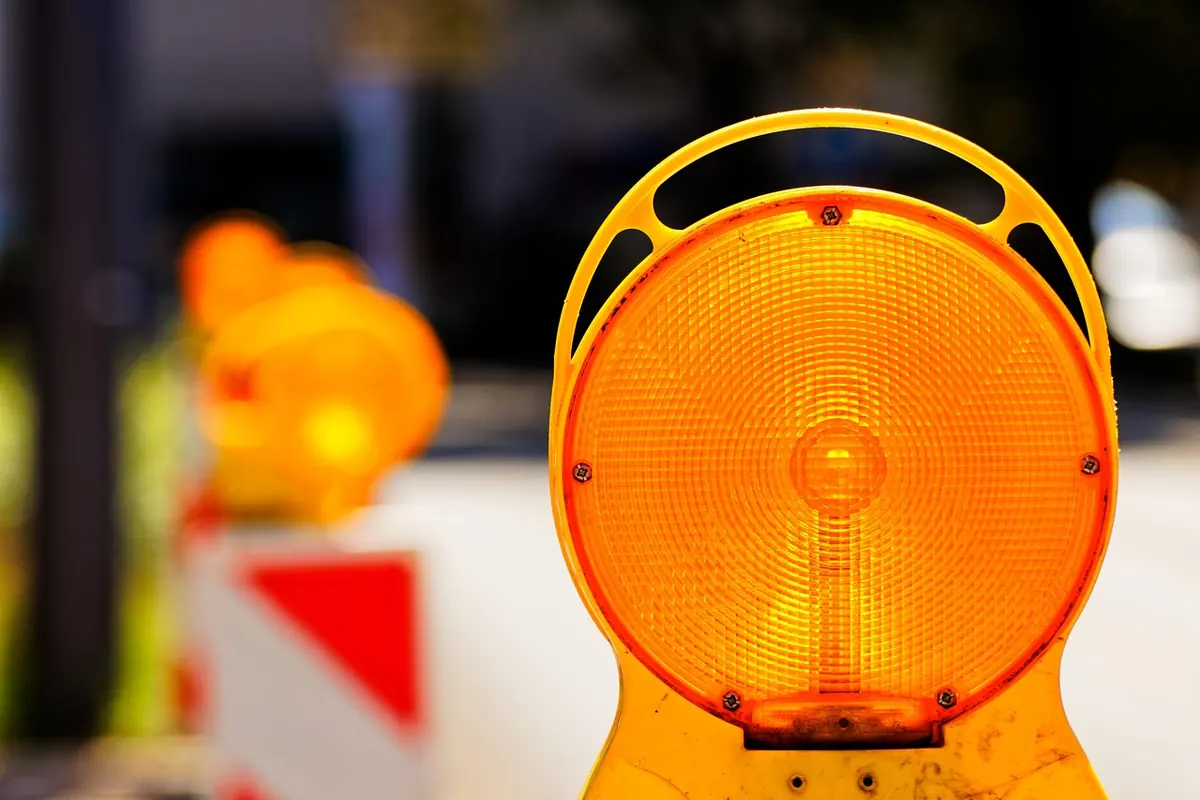
If your morning drive has turned into a guessing game, you're not alone. Between the water main work on Ridge Road and the repaving on Oak Street, the orange barrels seem to multiply overnight. This explainer breaks down what's actually closed, how long each project is expected to last, and the fastest ways to get around town without adding twenty minutes to your commute.
Four projects are active right now. Knowing which one affects your route is half the battle.
Crews are replacing the aging water main between the library and Route 12. One lane is closed in each direction, and left turns are restricted during work hours. Expect delays between 7 a.m. and 4 p.m. through late spring.
Oak Street between Main Street and the train station is being repaved. The road is closed to through traffic, but local access is maintained. Work should finish in early summer. If you use Oak as a shortcut to the station, you'll need a new plan.
The intersection at Maple Avenue and County Route 12 is getting new signals and crossings. Intermittent lane closures are in effect, with flaggers during busy hours. The upgrade continues through summer.
A utility crew is working on Old Mill Lane near the reservoir. The road is closed to through traffic for about two weeks. Residents can access driveways from the north. This is the shortest project, but it surprises drivers who use Old Mill as a cut-through.
Detour signs follow a standard system, but they can still confuse you at 7:45 a.m. Here's a quick translation.
If a detour sign seems to send you in a circle, trust the marked route anyway. Neighborhood cut-throughs often have their own restrictions, and ignoring them can add time — or a ticket. When in doubt, pull over safely and check the town's roadwork page or a traffic app.
No single detour works for everyone. The right route depends on where you're starting and going. Here are the most reliable options.
Skip Oak Street. From the north, take Valley Road to Chestnut Street, then Station Plaza. From the south, use Highland Avenue and park on the east side of the tracks. The walk is longer, but you'll avoid the repaving zone.
Use the Route 12 bypass instead of Ridge Road. It adds about a mile, but it moves. If the bypass backs up, alternate via Franklin Street to Willow Lane. Avoid the school zone on Maple during arrival and dismissal.
From downtown, take Main Street to Prospect Avenue, then left on Library Lane. The library lot is accessible from the rear. For the high school, use the athletic field entrance off County Route 12; the main driveway is often blocked by construction vehicles.
Roadwork changes traffic patterns, and the worst delays happen when drivers squeeze through at the last minute. Shifting your departure by even fifteen minutes usually helps.
Morning congestion peaks between 7:15 and 8:45. Leave before 7, and you'll likely sail through the Ridge Road work zone. Leave after 8:45, and flaggers may have opened an extra lane. The evening rush runs from about 4:30 to 6:15. For Oak Street, try before 4 or after 6:30.
Crews typically start early and aim to finish by mid-afternoon, but overnight work is possible on the water main. Check the town's weekly roadwork bulletin every Sunday evening. It lists affected streets and is the most reliable source for last-minute changes.
Road closures affect more than cars. Sidewalks may close, and pedestrian detours can route you around the block. Cyclists often share a lane when the shoulder is blocked.
If a sidewalk closure forces you into the street, use the crosswalk at the nearest intersection rather than stepping into traffic mid-block. It's safer for everyone.
Before you leave, check the town's roadwork page or a traffic app, give yourself an extra ten minutes, and decide on a backup route. Keep a phone charger and some patience. The crews are fixing pipes and pavement that will outlast the inconvenience.
If you spot a hazard — a missing sign, a dark flagger station, a deep pothole — call the Department of Public Works. They can't fix what they don't know about. And if you find a detour that works, share it with a neighbor. In a small town, good information travels faster than any road closure.
The work will end. The orange barrels will disappear. Until then, leave a few minutes early, follow the signs, and be kind to the people waving you through the intersection.
Photo: Joshgmit / Pixabay
A practical pre-winter checklist for Ridge homeowners: gutters and ice dams, pipe protection, heating tune-ups, snow...
A practical comparison of Ridge Restaurant Week menus, price tiers, reservation odds, and dietary options, plus a...
Planning a Ridge block party? Here’s how to handle permits, road closures, insurance, and a simple timeline that...

Local news and voices from the ridge.
