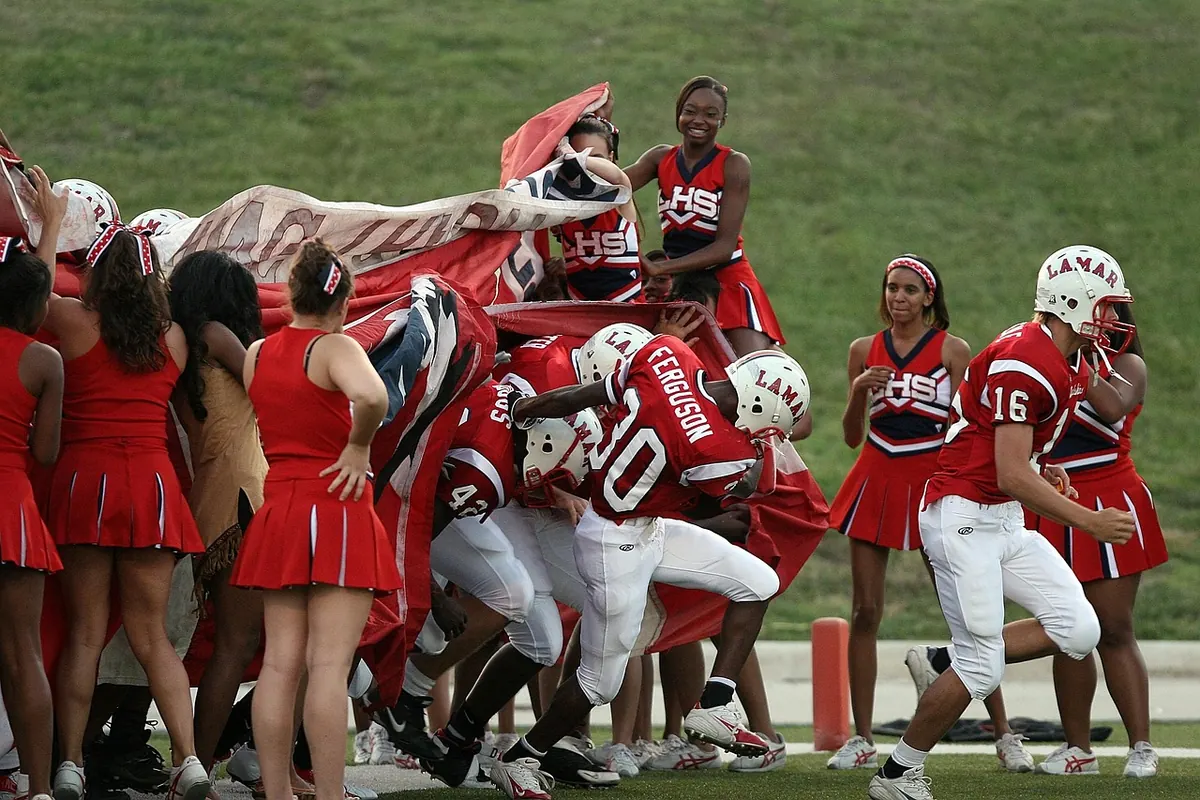
Friday night football gets the loudest crowd, but fall sports in Ridge start well before the first kickoff. Field hockey on a Thursday afternoon, cross-country at the town park on a Saturday morning, volleyball in a gym that smells like floor wax and popcorn. If you are new to this, the games are easy to enjoy and surprisingly easy to get wrong — you show up at the wrong field, you sit through a cold drizzle in a cotton hoodie, you discover the gate is cash-only when you have three dollars in your pocket.
None of that is hard to fix. A little planning the night before makes the whole season more fun for you and less stressful for your player. Here is what experienced Ridge parents keep in mind.
Fall schedules move. A freshman game gets bumped earlier, a JV start time shifts by an hour, a cross-country meet relocates because another school is using the course. The athletic department publishes the authoritative schedule, and most districts push changes through a team app or the athletics page on the district website. Pick one source, check it on Sunday night, and check it again the day of the game.
Parent group chats are excellent for carpooling and terrible for confirmed start times. By the time a change has been forwarded three times, someone's grandmother is standing at an empty field.
Also ask your player. Coaches usually tell the team about bus times, uniform colors, and whether they need to bring both jerseys before parents hear anything. Sunday dinner is a good moment: What time is the bus, where is the game, and do you need anything?
Ticket policies vary by school and by sport. Varsity football and soccer often charge admission; some JV and middle school games do not. Gates typically open forty-five minutes to an hour before the start. A few practical habits save hassle all season:
Standing and walking in fifty-degree weather feels fine. Sitting on aluminum bleachers in the same fifty degrees for two hours does not. The field is always colder than your driveway, and the wind finds the one gap in your jacket.
Layers beat one heavy coat, because you can shed a layer at a sunny afternoon game and add it back when the sun drops. A blanket is not optional equipment. Neither is something to sit on — a stadium cushion or a folded camp chair makes a two-hour game much more pleasant.
Rain changes the plan more than cold does. If lightning is in the area, play is usually suspended and everyone is asked to clear the bleachers and return to cars. Follow the announcement, and do not stand under a tree to wait it out.
Concession stands are a real fundraiser for teams, and a hot chocolate on a cold night is part of the experience. They also get slammed at halftime. If your player has a strict pre-game routine or you have small children in tow, eat something before you arrive and treat the stand as a bonus rather than dinner.
Bring a refillable water bottle. Bring a snack for younger kids, plus one quiet activity — a game, a book, a small toy. A sibling who is bored at minute ten is a sibling who wants to leave at minute twelve, and nobody in your family enjoys that.
If your player has food allergies, ask the coach before the season how the team handles shared snacks and team meals. Schools often have allergy-aware practices, but the details are worth confirming in person rather than assuming.
Every venue has its own posted rules, so read the sign at the gate. The common ones are consistent: stay in the bleachers or designated standing areas rather than on the sideline or behind the goal, leave pets at home, and follow the district's policy on bags and outside food.
The unwritten rules matter just as much. Let officials officiate. A bad call from the stands is not going to be reversed, and the person most embarrassed by an argument with a referee is usually the kid on the field. Let coaches coach — that includes the decisions you disagree with, which will happen more than once this season. And cheer for the other team's good plays. Your player will be on the road soon enough.
Say nothing about playing time during the game. Not to the coach, not to the other parents, not loudly enough for anyone to overhear. Afterward, ask what they thought of the game and leave it there. If you have a genuine question about development, email the coach the next day and ask when would be a good time to talk.
Arrive early for varsity games, especially Friday football. Park where you can get out without a twenty-minute wait, and never on grass after rain unless you enjoy being towed or pushed. Text your player before the final whistle so they know where the car is. They are tired, hungry, and carrying a bag that weighs more than it should.
The ride home is not a film session. Ask what was fun, what felt good, whether they want to stop for food. If they want to break down the game, they will. If they stare out the window, that is also an answer, and a quiet car is a fine way to end a night.
Fall seasons are short — a handful of home games, a couple of road trips, then playoffs or the last meet before anyone is ready. Sit close, dress warm, and let the kid enjoy it. The checklist takes ten minutes the night before, and it buys you a season of Friday nights you will actually miss when they are over.
Photo: KeithJJ / Pixabay
A practical pre-winter checklist for Ridge homeowners: gutters and ice dams, pipe protection, heating tune-ups, snow...

A practical comparison of Ridge Restaurant Week menus, price tiers, reservation odds, and dietary options, plus a...

Planning a Ridge block party? Here’s how to handle permits, road closures, insurance, and a simple timeline that...

Local news and voices from the ridge.
